




Frozen Ready Meals Manufacturer
Spain
8.2%
Seal failure rate — before
0.6%
Seal failure rate — after
−82%
Test cycle time reduction
5-Position Gradient Testing Cuts Seal Failure Rate from 8.2% to 0.6% in One Qualification Run
The plant's VFFS line ran three different lidstock materials — PE/PA, PE/EVOH/PA, and PP/EVOH — each requiring a distinct seal window. QA was using a single-point bench sealer, which meant running three separate test series at different temperatures to bracket the SIT range. Each series took 90–120 minutes, and field return data showed a persistent 8.2% defect rate on the PE/EVOH/PA line, traced back to inconsistent dwell-time control during shift changeovers.
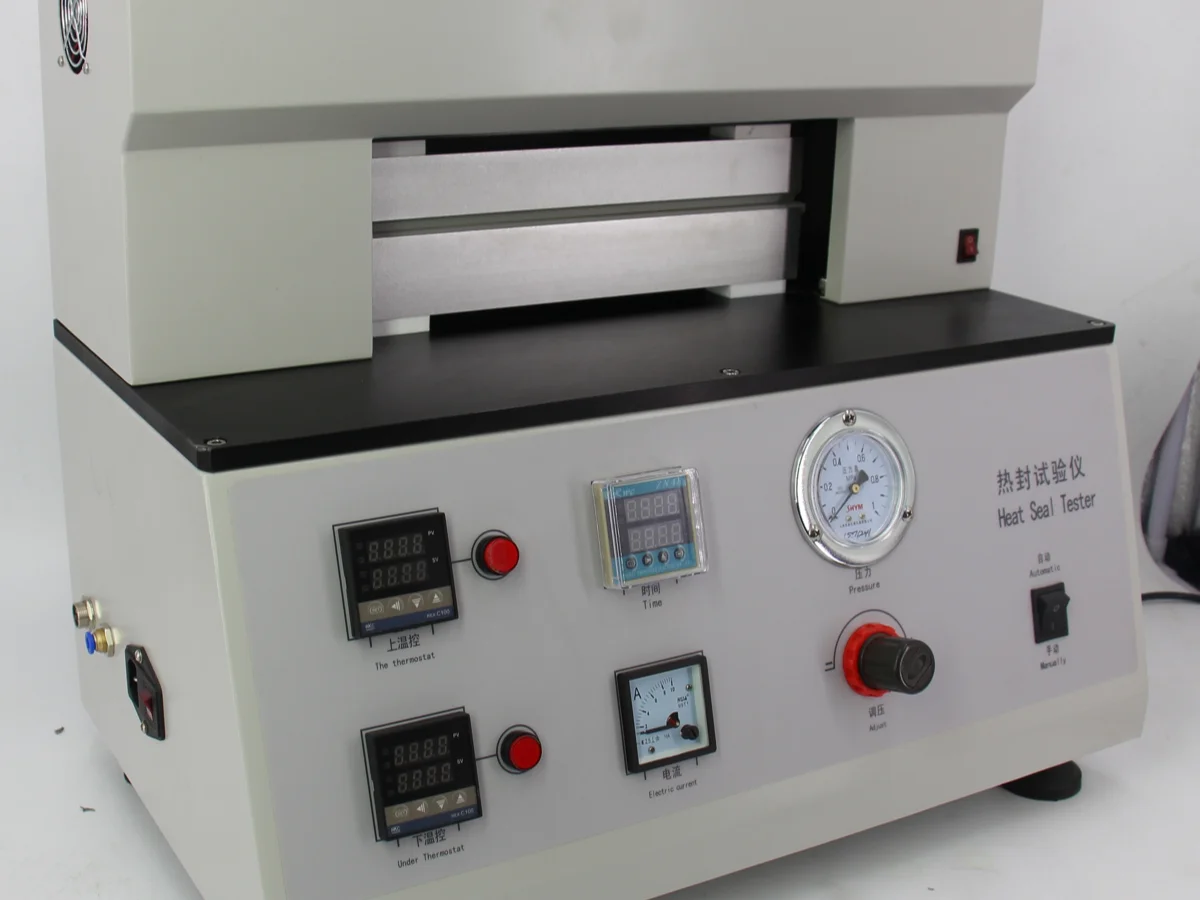
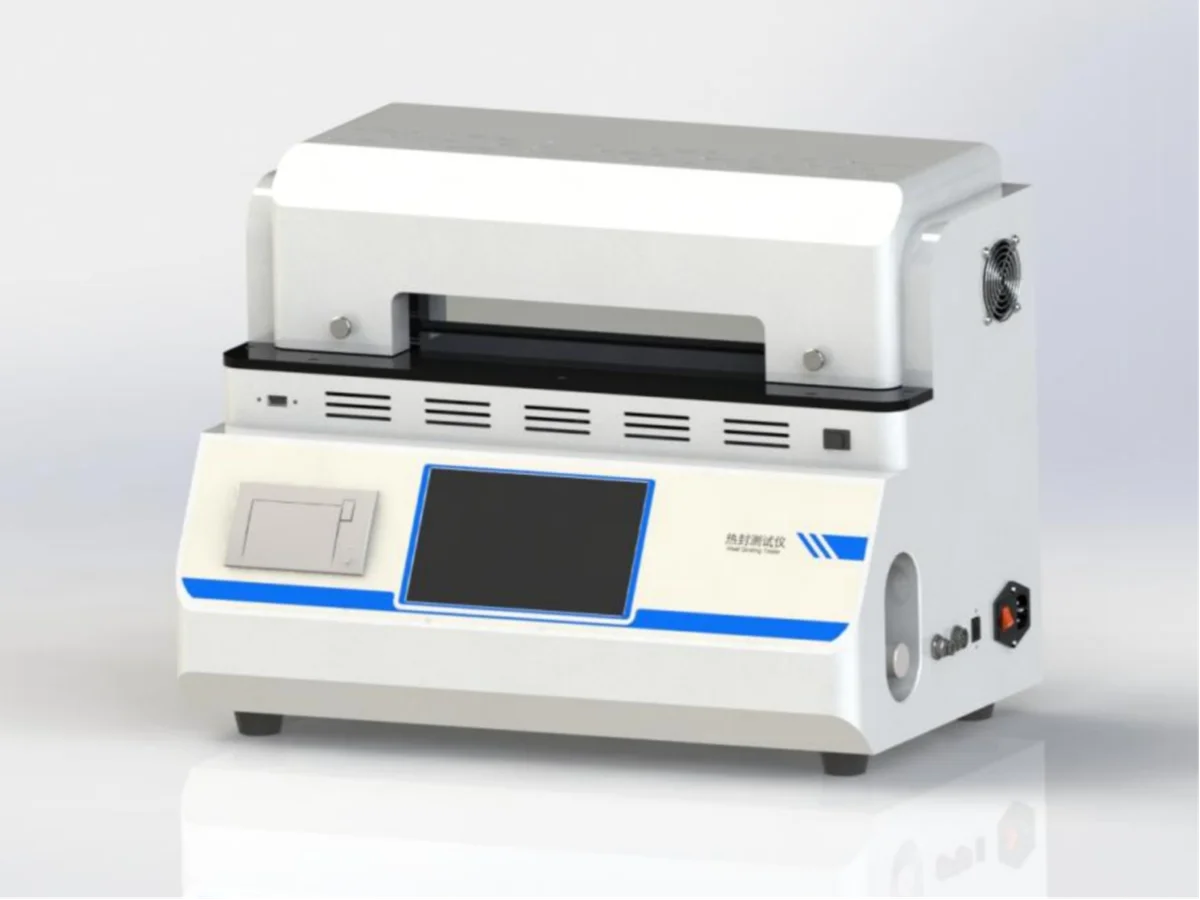
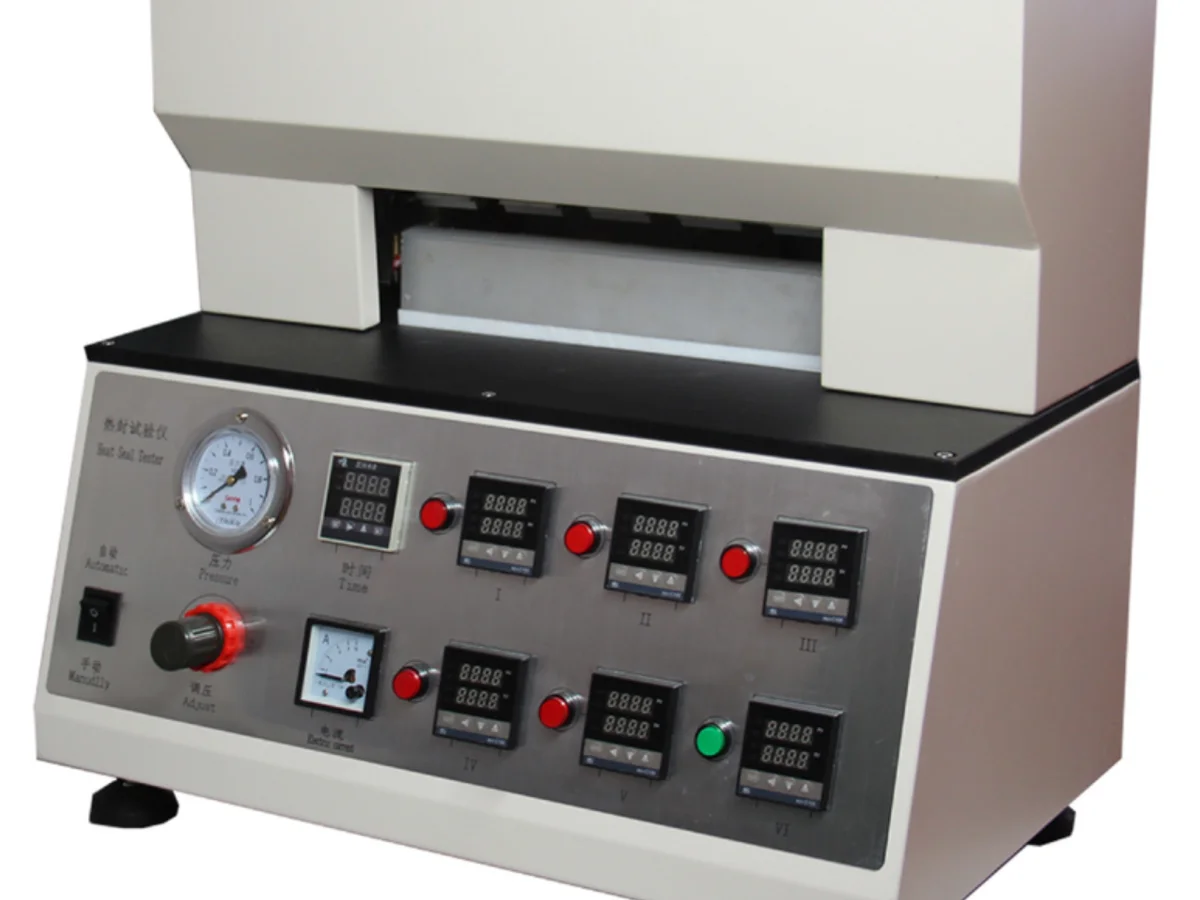
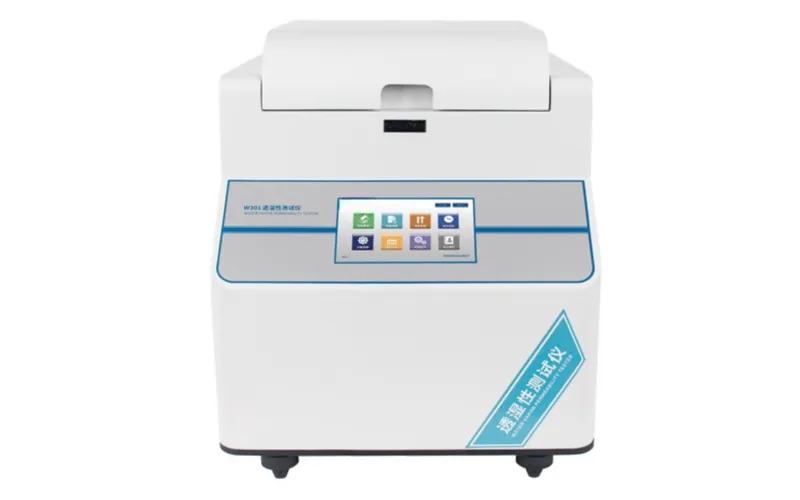
The plant trialled an STH-5 set to a 175–215°C gradient across five positions (8°C steps) with a fixed 0.6 s dwell and 140 N jaw force per ASTM F2029 Section 6. A single 45-minute test session mapped the full peel-strength curve for all three materials simultaneously. The identified optimal range — 191–199°C — was written into the HACCP-linked process specification, and operators now verify the window at each material changeover using a two-point spot check.
Field return data collected over the following two quarters showed the lidstock defect rate dropped from 8.2% to 0.6%. Total test time per qualification run fell from approximately 5.5 hours (three sequential single-point series) to under one hour. The QA team also eliminated one intermediate rework station that had been handling borderline seals, recovering roughly 18 hours of floor time per month.
“We were chasing a defect that turned out to be a 4-degree window problem. The gradient fixture showed us exactly where the drop-off happened — something we simply could not see with single-point testing.”
QA Manager, Frozen Food Plant — Valencia, Spain